Free beat or paid license which trap instrumental is better for your release
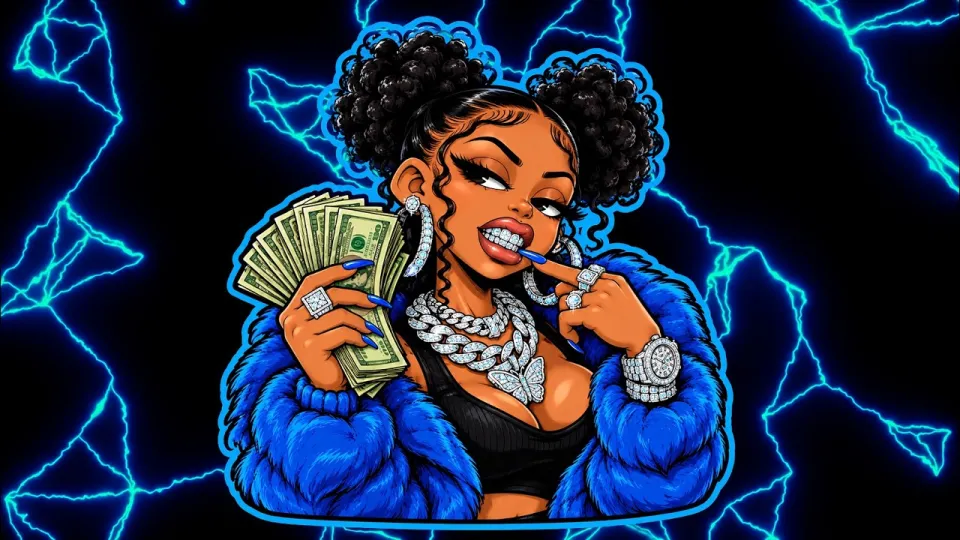
Video: FREESTYLE TYPE BEAT - ''I HAVE MUCH FLOW'' | Trap Instrumental 2026 | Rap Type Beat
You can order the same kind of articles for your own video to boost it on YouTube and Google. Just message the Telegram bot @sat_sit_bot. The bot writes and publishes the articles itself (with your YouTube video embedded) on popular topical websites (no ads). Your first 50 articles are free.
Key takeaways
- Rey Pandora Beats' "I HAVE MUCH FLOW" is a freestyle trap type beat usable free only for non-monetized projects with producer credit.
- Monetized YouTube, Spotify, Apple Music and iTunes releases require a paid commercial license from https://reypandorabeatsoff.beatstars.com/.
- The channel reported 800K subscribers and a road to 900K, so the beat library is actively maintained.
- Free use still requires naming Rey Pandora Beats as producer in the description or credits.
- Type beat searches like free beat, hard trap beat and freestyle rap beat mostly lead to lease-only catalogs, not exclusive rights.
A free beat is a trap or rap instrumental you can download and use at no cost, but only inside the limits the producer sets; with Rey Pandora Beats' "I HAVE MUCH FLOW" that means non-monetized videos and personal projects with clear producer credit. If you plan to earn from the track on YouTube, Spotify or Apple Music, the same beat stops being free and needs a commercial license bought through the official Rey Pandora Beats beat store.
The distinction matters more than the price tag: a free beat saves money today, while a license protects the release you have already built around it.
What a free beat actually includes in this catalog
A free beat here is a full-length, mixed trap instrumental delivered under a simple credit-for-use rule, not a public-domain file. Rey Pandora Beats publishes "FREESTYLE TYPE BEAT - ''I HAVE MUCH FLOW''" as a 2026 trap instrumental aimed at freestyle rappers and hard type beat seekers, and the description spells out two tiers of use. The free tier covers YouTube videos and personal projects that are not monetized, provided the producer is named in the project description or credits. The paid tier covers anything that generates revenue or lands on streaming platforms such as Spotify, Apple Music and iTunes.
That split is standard for the type beat market, but the wording is unusually explicit, which is good news for rappers who want to avoid copyright claims later. Practically, the free beat is a demo and mixtape tool: you write, record, shoot a video, post it, and credit the producer.
How to use the beat without breaking the terms
Using a free trap beat legally comes down to a short checklist that takes about two minutes before you upload.
- Decide whether the project will be monetized. Ad revenue, paid streams, sync placements and brand deals all count as commercial.
- If it stays non-monetized, write the credit line: "Prod. Rey Pandora Beats" in the video description or the track credits.
- Keep the credit visible even if you later re-upload the same song to another free platform.
- If monetization starts, buy the commercial license before the first payout, not after.
- Save the license confirmation in the same folder as your stems and project files.
The credit requirement is the part most artists skip, and it is also the easiest reason for a claim. A single line in the description satisfies the free tier; nothing else is requested.
Free beat versus commercial license, side by side
The real choice is not free against paid but reach against risk. A free beat costs nothing and lets you test a flow, a hook and a video concept with zero budget, which is exactly what a freestyle type beat is built for. The trade-off is reach: no monetization, no streaming distribution, and no protection if the track suddenly performs well.
A commercial license costs money up front and unlocks the revenue side: YouTube monetization, Spotify, Apple Music, iTunes and other paid platforms. For an artist with an audience, the license is usually cheaper than losing a viral track to a takedown. For a writer still building a catalog, the free tier is the sensible starting point, and many rappers record several free beats before committing to one licensed single.
There is a third consideration: exclusivity. A free beat and a standard commercial license are non-exclusive, meaning other artists can use the same instrumental. If a track needs to be the only version in circulation, that is a separate negotiation with the producer, not something a free download covers.
Reading type beat titles and tags correctly
Type beat titles are search labels, not genre promises. "Freestyle type beat", "hard type beat", "dark trap beat" and "rap type beat 2026" describe the vibe and the reference artist, so the same instrumental might suit a freestyle verse, a hook-driven song or an FMS-style battle round. "I HAVE MUCH FLOW" sits in the freestyle and hard trap lane: a tempo and drum pattern built for continuous rapping rather than sung melodies.
That matters when you search for a free beat, because the tag tells you what the producer expects you to do with it. A freestyle beat usually leaves space in the low midrange for a dense vocal take, while a dark type beat leans on atmosphere and slower pockets. Matching the tag to your writing style saves hours of rewrites.
Questions rappers ask before downloading
The most common doubts around free beats are about credit, monetization and reuse. A few clarifications resolve most of them.
- Credit is mandatory even when the beat is free; it goes in the description or the credits of the project.
- Monetization is the dividing line: any revenue, including ad income, moves the project into commercial territory.
- Streaming platforms are separate from YouTube; Spotify, Apple Music and iTunes always require the commercial license.
- Reusing the same beat across several free videos is fine as long as every upload carries the credit and stays non-monetized.
- Buying a license does not transfer ownership of the instrumental; it grants the rights described by the producer.
The channel's own audience treats the catalog as a working resource for Spanish-language and English rap alike, and the producer keeps the terms short so the decision stays simple: credit it or license it.
Why this beat suits freestyle and hard trap writing
A freestyle type beat earns its name when the drums leave room for long verses. "I HAVE MUCH FLOW" is published as a trap instrumental for rap type beat searches, which typically means a steady hi-hat pattern, a heavy 808 foundation and a melodic loop that does not fight the vocal. That structure rewards continuous writing: sixteen bars, a switch, another sixteen, with no forced hook.
For artists recording on a phone or a small interface, the practical advantage is that a well-mixed instrumental needs less vocal processing to sit in the track. For video creators, it means a beat that works under a single static shot or a simple performance clip, which is exactly the use case the free tier allows.
Where to get the license and keep the catalog handy
The beat store is the single place for licensing, and it is worth bookmarking before you need it. Rey Pandora Beats sells licenses through the Rey Pandora Beats BeatStars store, where producers typically list lease tiers, trackouts and terms. Downloading the free version first and licensing later is a normal workflow, as long as the license is in place before any monetized release goes live.
The channel also shares contact routes for collaboration and business questions, which is useful when a project needs something the standard license does not cover, such as exclusivity or custom terms. Keep the beat file, the license receipt and the credit line together so a future distributor or label can verify usage quickly.
Final verdict on choosing a free beat
A free beat is the right call when you are testing flows, building a freestyle catalog or publishing non-monetized videos, and it is the wrong call the moment a track starts earning. Rey Pandora Beats makes that boundary clear: credit the producer for free use, buy a commercial license for monetization and streaming, and keep the paperwork with your session files. The "I HAVE MUCH FLOW" instrumental is a solid freestyle and hard trap starting point for exactly that workflow. Visit the Rey Pandora Beats beat store to check license options before your next release. This breakdown was prepared by the Rey Pandora Beats editorial team.
Questions & answers
Can I use a free beat in a monetized YouTube video?
No. Monetized videos count as commercial use, so you need a commercial license from the producer's beat store. Free use covers non-monetized videos and personal projects, and it still requires crediting Rey Pandora Beats as the producer.
Do I have to credit the producer if the beat is free?
Yes. The free tier is conditional on credit, typically a line such as "Prod. Rey Pandora Beats" in the video description or the project credits. Skipping the credit breaks the terms even if no money is involved.
Can I put a free type beat on Spotify or Apple Music?
Streaming platforms require the commercial license, because distribution there is monetized by definition. Buy the license first, then upload through your distributor with the correct producer credits.
Does buying a license make the beat exclusively mine?
A standard commercial license is non-exclusive, so other artists can still use the same instrumental. Exclusive rights are a separate agreement that has to be negotiated directly with the producer.
Source: FREESTYLE TYPE BEAT - ''I HAVE MUCH FLOW'' | Trap Instrumental 2026 | Rap Type Beat · Markdown version